
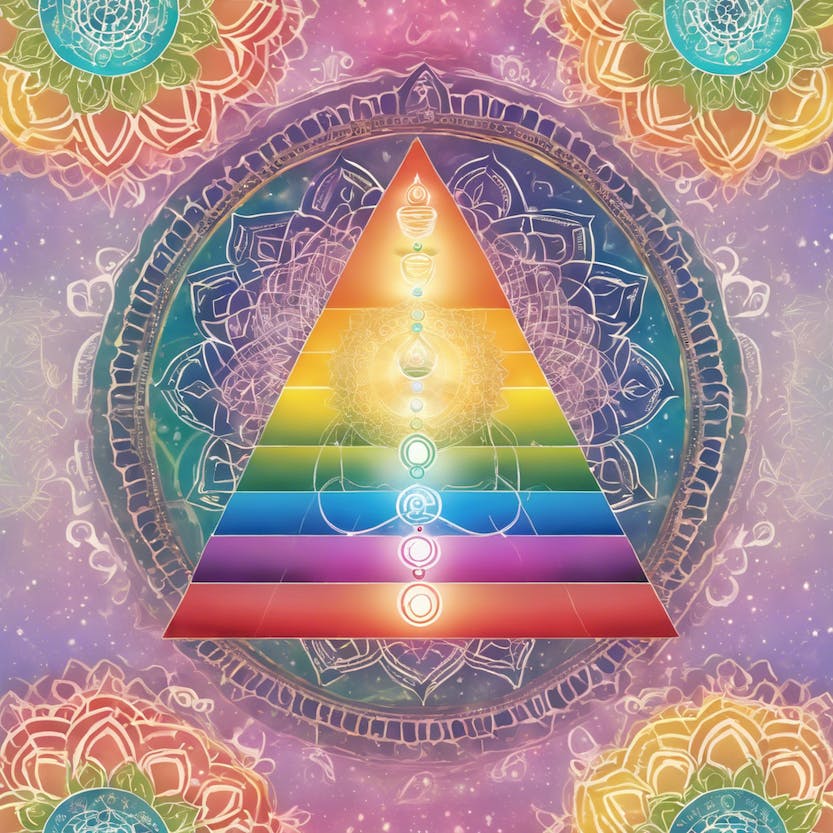
The human body is often referred to as a complex and intricate system, composed of various energy centers known as chakras. These chakras play a crucial role in maintaining physical, mental, and emotional balance. Understanding and harnessing the power of these energy centers can lead to a state of balance and harmony within ourselves. In recent years, the concept of chakras has gained significant attention in the realm of holistic healing and self-care practices.
Derived from ancient Indian traditions, chakras are believed to be energetic centers within the body that govern various aspects of our physical, emotional, and spiritual well-being. While they may sound mystical, understanding chakras and how to balance them can be a transformative and empowering experience. Together we will take a closer look at each body chakra and their unique characteristics.
The concept of chakras dates back thousands of years, originating in ancient Indian and Tibetan spiritual traditions. These energy centers within the body are believed to influence our physical, mental, and spiritual well-being.
1. The Meaning of Chakra:
Derived from the Sanskrit word for “wheel,” chakra refers to the spinning energy centers found along the central channel of the body. It’s believed that these wheels of energy are responsible for the flow of vital life force energy or prana throughout our physical and subtle bodies.

2. Seven Main Chakras:
The human body has seven major chakras aligned vertically from the base of the spine to the crown of the head. Each chakra resonates with a specific color, psychological aspect, and governs different organs, emotions, and areas of our lives.
The seven chakras are known as Root, Sacral, Solar Plexus, Heart, Throat, Third Eye, and Crown. Now let’s embark on a journey of discovery and shed light on some interesting and lesser-known facts about the 7 chakras. So, fasten your seat belts and let’s go deep!

Facts About the 7 Main Chakras

1. Root Chakra (Muladhara):
Located at the base of our spine, the root chakra is associated with our sense of grounding, stability, and survival instincts. It connects us to the Earth and provides a strong foundation for all other chakras. When this chakra is balanced, we feel safe, secure, and connected to our physical body and the world around us. Located at the base of the spine, this chakra is associated with our sense of stability, security, and connection to the physical world.
Here are some interesting facts about the root chakra:
Color and Symbolism:
The root chakra is represented by the color red, which symbolizes strength, energy, and vitality. This vibrant color is associated with our most basic physical needs and instincts.
Grounding and Stability:
The root chakra is often referred to as the foundation of the entire chakra system. It is responsible for keeping us grounded and providing a sense of stability in our lives. When this chakra is well-balanced, we feel secure, confident, and connected to our surroundings.
Physical Health:
The root chakra is closely connected to our physical well-being. When it is imbalanced, it may manifest in physical symptoms such as lower back pain, constipation, or issues with the legs and feet. Thus, working on balancing this chakra can positively impact our overall health.
Survival Instincts:
The root chakra is associated with our primal instincts.

2. Sacral Chakra (Svadhishthana):
Situated just below the navel, the sacral chakra represents our creativity, passion, and sexuality. It governs our emotions, relationships, and ability to enjoy the pleasures in life. Balancing this chakra allows us to experience a healthy expression of our desires while maintaining emotional stability and nurturing self-love.
The Sacral Chakra, also known as Svadhisthana in Sanskrit, is the second chakra in the body’s energy system. Located in the lower abdomen, a couple of inches below the navel, this chakra is associated with our emotions, creativity, sensuality, and relationships. Understanding and balancing the Sacral Chakra is essential in maintaining a healthy and harmonious life.
Here are some fascinating facts about the Sacral Chakra:
Element and Color:
The element associated with the Sacral Chakra is water, representing fluidity, change, and adaptability. Its corresponding color is orange, symbolizing warmth, enthusiasm, and joy. Surrounding yourself with orange hues or visualizing this color can help activate and balance this chakra.
Emotional Center:
The Sacral Chakra is closely linked to our emotional well-being. When balanced, it enables us to feel and express our emotions openly, leading to healthy relationships, creativity, and overall vitality. An imbalanced Sacral Chakra may manifest as emotional instability, lack of creativity, or difficulty in establishing healthy boundaries.
Creative Expression:
This chakra governs our creative abilities, whether that be in art, music, writing, or any form of self-expression.

3. Solar Plexus Chakra (Manipura):
In the world of energy healing and chakra balancing, the solar plexus chakra holds a special place. Situated between the navel and the diaphragm, this chakra, often referred to as the Manipura chakra, is associated with personal power, self-confidence, and a strong sense of identity.
It is the energy center that fuels our courage, willpower, and ability to assert ourselves in the world. Understanding and caring for our solar plexus chakra can lead to a greater sense of self-assurance and a deeper connection with our inner power.
The solar plexus chakra is represented by the color yellow, symbolizing a vibrant and active energy. Just like the sun radiates light and warmth, the solar plexus chakra radiates our personal power. When this chakra is balanced and energized, we feel motivated, confident, and capable of achieving our goals. On the other hand, when this chakra is blocked or imbalanced, we may experience feelings of insecurity, low self-esteem, and a lack of motivation in our lives.

4. Heart Chakra: Unleashing the Power of Love and Compassion
The ancient yogic tradition recognizes seven main energy centers in the body, known as the chakras. Each of these chakras is responsible for different aspects of our physical, mental, and spiritual well-being. The fourth chakra, known as the heart chakra or Anahata, holds a special place among them.
Representing the center of love and compassion, the heart chakra serves as a bridge between the physical and spiritual realms, allowing us to experience deep connections, empathy, and unconditional love. Located at the center of the chest, the heart chakra serves as a pivotal point, balancing the lower and upper chakras. It is associated with the color green and its element is air.
Just as the heart pumps life-giving blood to every cell in the body, the heart chakra vibrates with energy, radiating love and compassion throughout our being.
It is important to know the role of the Heart Chakra. The heart chakra is responsible for fostering our relationships with ourselves and others. When this chakra is in harmony, we experience feelings of love, acceptance, and forgiveness. It also allows us to let go of past grudges.

5. Throat Chakra: Unlocking the Power of Self-Expression (Vishuddha)
Located at the center of our neck, the throat chakra is an energy center associated with communication, self-expression, and truth. It is often depicted as a bright blue wheel of energy, spinning and radiating its influence throughout our lives. Now let us explore its characteristics, significance, and tips to balance and heal the throat chakra.
The throat chakra, also known as Vishuddha in Sanskrit, holds immense power in our lives. It governs our ability to communicate effectively, express ourselves authentically, and stand up for what we believe in. When this chakra is balanced and open, we are able to express our truth freely and confidently, impacting our personal relationships, professional life, and overall well-being.
Do you wonder what happens when the throat chakra is imbalanced? We may find ourselves struggling to express our thoughts and emotions, feeling unable to articulate our needs or opinions. Fear of public speaking or judgment may overcome us, leading to feelings of insecurity, anxiety, or even depression. In some cases, an imbalanced throat chakra can manifest physically as a sore throat, thyroid issues, or voice-related problems
When this chakra is out of balance, you may experience difficulties expressing yourself or struggles with communication. However, by focusing on the throat chakra’s healing and balance, we can unlock our true voice and manifest our desires freely.

6. Third Eye Chakra: Exploring the Gateway to Intuition (Ajna)
Among these chakras, the third eye chakra holds a unique significance. When the third eye chakra is balanced, it enables us to tap into our inner wisdom and knowledge, granting us a deeper understanding of our life’s purpose and guiding us towards making informed decisions.
Located between the eyebrows, the Third Eye Chakra, also known as Ajna in Sanskrit, is often associated with intuition, perception, and higher consciousness. Symbolized by an indigo-colored lotus with two petals, this chakra holds the potential to unlock a whole new level of understanding and awareness.
The third eye chakra is known as the seat of our sixth sense, allowing us to see beyond the physical realm. It is commonly believed to be responsible for our innate intuitive abilities, providing us with the ability to perceive and understand the subtle energies of the world around us. Just as our physical eyes help us navigate the physical world, the third eye helps us navigate the spiritual one.
Since ancient times, the concept of the “third eye” has captivated the minds of philosophers, spiritual gurus, and curious individuals seeking enlightenment. This mystical and metaphorical eye is said to open doors to higher consciousness, inner wisdom, and spiritual awakening.
Origins and Symbolism:
The concept of the third eye has its roots in various ancient cultures and religions. In Hinduism, it is known as the “ajna” chakra, representing the command center of wisdom and intuition. The third eye is also represented in ancient Egyptian and Tibetan iconography, emphasizing its importance in spiritual practices across different cultures.
Importance of The Pineal Gland Connection:
Scientifically, the third eye is associated with the pineal gland, a small endocrine gland located deep within our brain. This gland is responsible for regulating sleep patterns and producing melatonin, a hormone that influences one’s circadian rhythm. Some experts believe that the pineal gland may also play a role in spiritual experiences and intuition, making the connection between the gland and the third eye intriguing.

7. Crown Chakra: A Gateway to Spiritual Enlightenment
We are going to delve into the seventh and final chakra, which is often referred to as the “Crown Chakra.”
Located at the top of the head, the Crown Chakra serves as a gateway to higher consciousness and spiritual enlightenment. It is associated with the color violet or pure white, symbolizing unity and transcendent energy. This chakra is deeply connected to our connection with the divine, as well as our higher self and universal consciousness.
The Crown Chakra is often described as a lotus flower with its petals facing upward. Just like a flower needs sunlight to bloom, our Crown Chakra draws in spiritual energy from the universe and connects us with our higher purpose. It is believed that when this chakra is fully activated and balanced, we experience a profound sense of spiritual connection, wisdom, and purpose in life.
When the Crown Chakra is out of balance, however, it can manifest in various physical, emotional, and mental symptoms. These may include feelings of spiritual disconnection, lack of purpose, depression


Chakras, the energy centers found within our bodies, play a fundamental role in our overall well-being. When our chakras are balanced and aligned, we experience greater physical, emotional, and spiritual harmony. However, due to the stress and demands of our modern lives, it’s easy for our chakras to become imbalanced or blocked. Lastly we will discuss effective techniques to balance your chakras and enhance your ability to restore energy flow.
1. Becoming Mindful of Self-Expression:
The first step in balancing the throat chakra is to become aware of your self-expression. Notice how you communicate with others, whether verbally or through creative mediums such as writing or art. Are you being authentic, or do you hold back due to fear of judgment or rejection? Mindfulness allows you to identify any blockages or negative patterns in your communication style.
2. The Power of Affirmations:
Positive affirmations have the capacity to rewire your subconscious mind and transform negative thought patterns. For throat chakra balance, try repeating
3. Understand your chakras:
Before diving into balancing your chakras, it’s essential to have a basic understanding of the seven main chakras. Each chakra is associated with specific physical and emotional aspects of our being. From the root chakra located at the base of your spine to the crown chakra at the top of your head, familiarize yourself with the characteristics and functions of each chakra.
4. Meditation:
Meditation is a powerful tool to harmonize your chakras. Begin by finding a quiet and comfortable space where you won’t be interrupted. Close your eyes, take a few deep breaths, and focus your attention on each chakra individually. Visualize each chakra spinning and emanating vibrant, balanced energy.
5. Sound balancing:
Using sound frequencies like Schumann resonance tones, or healing tones that come from tuning forks can help to bring balance to the chakras in a all encompassing way.
There are numerous benefits of balancing chakras and how it can positively impact all aspects of our lives. Here are just a few:
1. Physical health: Each chakra is associated with specific organs and glands in our bodies. When these energy centers are balanced, the flow of energy is optimal, promoting the health and well-being of these organs and glands. By balancing our chakras, we can experience improved immune system function, increased energy levels, enhanced digestion, and better overall physical health.
2. Emotional well-being: Chakra imbalances can often manifest as emotional disturbances such as anxiety, depression, anger, or mood swings. When we balance our chakras, we can release emotional blockages and find a greater sense of emotional stability and inner peace. Balancing the chakras allows us to cultivate a more positive mindset, feel more grounded, and experience a greater capacity for joy and happiness.
When these chakras are balanced and aligned, we experience a sense of harmony, vitality, and optimal health.
Leave a Reply